
Resource Library
First Aid Resources & Articles
Practical first aid guidance from our trainers — free to read, updated regularly.
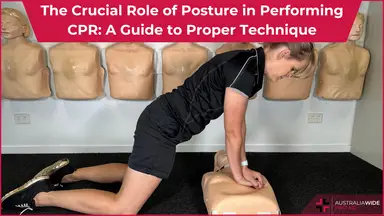
Correct Posture When Performing CPR
Cardiopulmonary resuscitation (CPR) is a critical lifesaving skill that can significantly improve the chances of survival for individuals experiencing cardiac arrest. While many people are trained in CPR techniques, the importance of proper posture during CPR cannot be overstated.
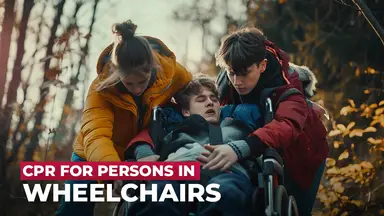
CPR for Persons in Wheelchairs
Despite its apparent simplicity, bystanders often delay providing CPR to people with special conditions such as those in wheelchairs. This delayed response may be due to a lack of knowledge on what to do in such situations or the perceived complexity of the procedure due to the casualty's condition. However, the CPR principle remains the same for all casualties, whether they are in wheelchairs or not.
CPR Instructions, But Make Them Spooky
In this spine-tingling journey of resuscitation, maintain your grim composure, for you tread the precipice between the realms of life and death. Whether you are a mere mortal or a master of the macabre arts, remember that your actions can either prolong existence or plunge it further into the abyss. Proceed with a sense of dread, for you stand at the precipice of despair.
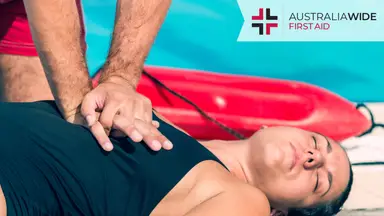
Master the Basics of CPR in Just Minutes!
Knowing how to perform basic first aid and CPR is essential to be prepared for any emergency situation. Taking the time to learn the basics of CPR and first aid can save a life. This article will provide safety tips for every situation, prepare you for emergencies, and explain the basic first aid and CPR basics. It will also explain why taking a first aid course is essential for knowing how to save lives.
Why Parents Should Learn CPR
CPR stands for cardiopulmonary resuscitation. Studies show that, when CPR is delivered timely during a medical emergency, it can greatly increase the casualty's chance of survival. As such, it is absolutely a skill recommended for parents and caregivers.
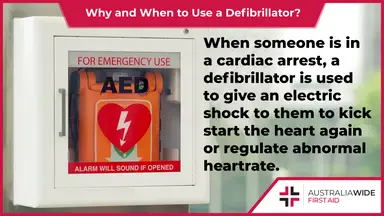
Why and When to Use a Defibrillator?
When someone is in cardiac arrest, a defibrillator is used to kick start the heart again or regulate abnormal heartrate. It is important to know when and how to use a defibrillator, as they can greatly increase a person's chances of survival.

5 Life-Changing CPR Stories
Browsing news stories related to CPR reveals people from around the world, calling on their knowledge of first aid to resuscitate another person in need.
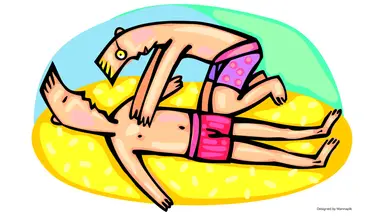
How to Learn CPR
CPR provides the patient with life-giving oxygen until they can receive full medical treatment. It buys time in these emergency situations and is used when a person is oxygen-deprived, commonly because of near drowning, cardiac arrest, and drug overdose.
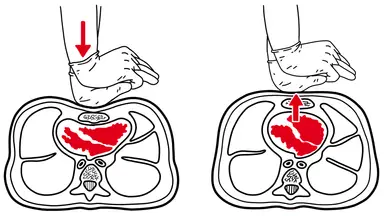
What is CPR?
Cardiopulmonary resuscitation – CPR, for short – is a game-changer when a person's heart has stopped beating. Despite its effectiveness, the technique itself is relatively simple.
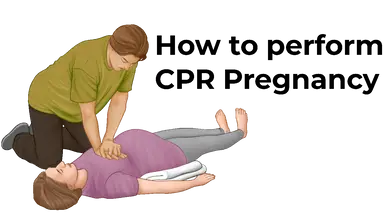
How to perform CPR - Pregnancy
See how to perform CPR on someone pregnant in this guide. You can also go to specific guides on CPR for adults, children and infants. If you’re in an emergency, call (000).
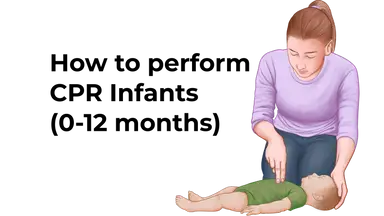
How to perform CPR - Infants (0-12 months)
See how to perform CPR on an infant (under 12 months old) by following this guide. You can also go to other guides on CPR for children (1-8 years), adults and older children (over 8 years), and CPR during pregnancy. If you’re in an emergency, call 000.
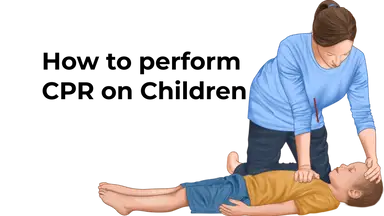
How to perform CPR - Children
Find out how to perform CPR on a child (1-8 years old) by following this guide. You can also go to specific guides on CPR for adults and older children (over 8 years), on infants, and during pregnancy. If you’re in an emergency, call 000.
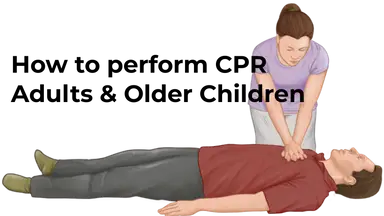
How to perform CPR - Adults & Older Children
See how CPR is done on an adult or older child (over 8 years old) in this guide. You can also go to specific guides on CPR for children, infants, and during pregnancy. If you’re in an emergency, call 000.
Ready to put it into practice?
Nationally accredited first aid courses with same-day certificates.