
Resource Library
First Aid Resources & Articles
Practical first aid guidance from our trainers — free to read, updated regularly.
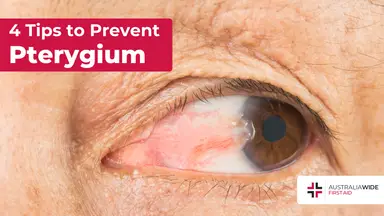
4 Tips to Prevent Pterygium
Pterygium, also known as surfer's eye, is an ocular surface disease characterised by a growth of limbal and conjunctival tissue over the cornea. Fortunately, you can practice many eye health habits to help prevent the development of pterygium and other risks.
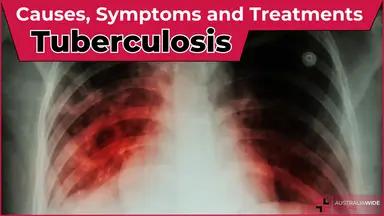
Tuberculosis - Causes, Symptoms and Treatments
Tuberculosis is a severe bacterial infection that mainly affects the lungs and other parts of the body, including the nervous system. This contagious disease can quickly spread in crowded areas when an infected person coughs, talks, or sneezes.
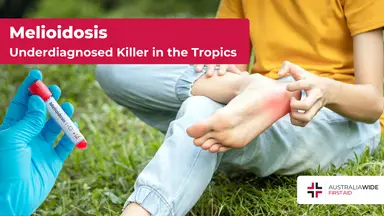
Melioidosis: A Killer Often Undiagnosed
Melioidosis is a bacterial infection caused by Burkholderia pseudomallei, a microorganism found in soil and water. This infection is often underdiagnosed due to symptoms mimicking many other illnesses. As such, awareness is critical for those living or working in affected regions.
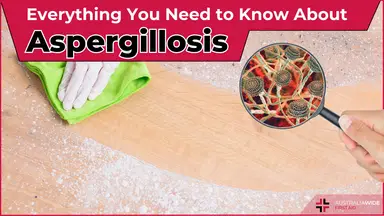
Everything You Need to Know About Aspergillosis
Although the term Aspergillosis may sound like a tongue twister, it's something that all Australians should be aware of, particularly given our warm, humid atmosphere which is ideal for the formation of mould.
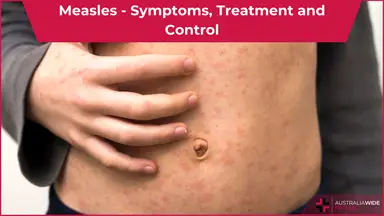
Measles – Symptoms, Treatment and Control
Measles is an acute, highly contagious illness caused by the measles virus. Characterised by a rash and fever, it can lead to serious complication such as pneumonia (lung infection) and encephalitis (inflammation to the brain). Measles is a notifiable illness, with medical staff required to notify their sate department of health. As such, it is something that we should all take very seriously.
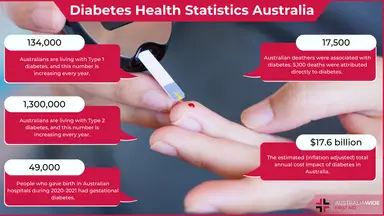
Diabetes Health Statistics Australia
Diabetes is of growing impact in Australia. The prevalence and impact of type 1, type 2, and gestational diabetes is increasing year by year. Recent data shows how many Australians are directly and indirectly impacted.
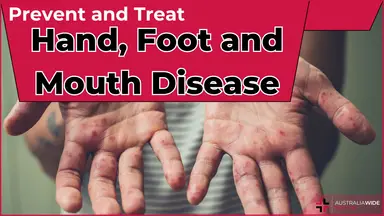
Tackle Hand, Foot, and Mouth Disease: Prevention and Treatment
Hand, Foot, and Mouth Disease (HFMD) is a common viral infection that affects children under 5 years of age. It is characterized by painful sores on the hands, feet, and inside the mouth. Knowing the symptoms and treatment options can help stop the spread of this highly contagious disease.
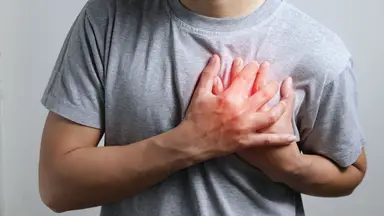
The Leading Cause of Death in Men
Heart disease is the leading cause of death for men in Australia, with coronary heard diseases at the top of the list. It is vital to identify early signs. Seeking medical advice early can help lower the risk of death.

New ASCIA Action Plans for Anaphylaxis
For the first time since their implementation, ASICA Action Plans for Anaphylaxis have gone through a major reformatting.

Understanding Stroke Symptoms and Seizure Symptoms
Learn about the differences and similarities between strokes and seizures, including symptoms, causes, and treatment options. Find out how to recognise the signs and when to seek emergency medical help for these serious medical conditions.

Fast Action: How to Give First Aid for Heart Attacks
Knowing how to give first aid for heart attacks is vitally important. In this article, we will cover recognising the symptoms of a heart attack, immediate first aid for a heart attack, prevention of heart attacks for long-term health, and the benefits of taking a first aid course to prepare for heart attacks. Together, this information will help ensure you are prepared to give the best care possible in the event of a heart attack.
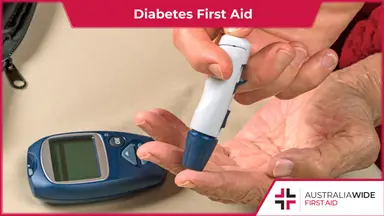
Unlock the Power of Diabetes First Aid with These 3 Easy Steps!
Understanding Diabetes First Aid and taking action with it can help you unlock the power of diabetes first aid. Taking a diabetes first aid course can help you gain the knowledge and confidence you need to provide help and support to those affected by diabetes. In this article, we will explore the three simple steps you can take to master diabetes first aid.
Sweetheart Day by HeartKids Australia
Sweetheart Day is an annual campaign coordinated by HeartKids. Sweetheart Day falls on Valentine's Day and aims to raise awareness and funds for those affected by childhood-acquired and congenital heart disease (CHD).
Top 5 Leading Causes of Death in Australia
Though the Australian Bureau of Statistic’s health statistics have been shaken up in recent years with the onset of COVID, the top 5 leading causes of death have been the same since 2011. Luckily, there are ways to reduce your risk of falling foul with these chronic conditions.
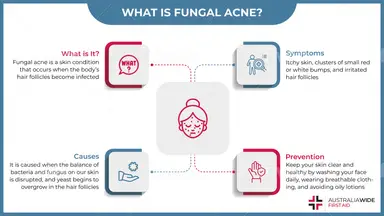
What is Fungal Acne, and How do I Treat It?
Fungal acne is a skin condition that causes an infection in the body's hair follicles. Fungal acne is often confused with facial acne. However, it's important to know the difference, so you can implement the correct prevention and treatment measures.
Thrush in Men and Women: Causes, Symptoms, and Treatment
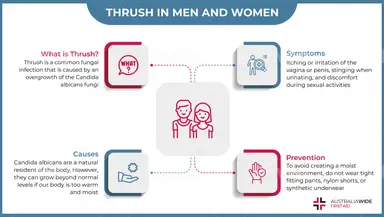
Thrush is a common fungal infection that affects both men and women alike. It is caused by an overgrowth of a fungi called Candida albicans. Without treatment, thrush can cause severe pain.
Common Types of Fungal Infection
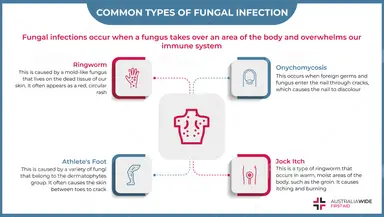
Fungal infections occur when an invading fungus takes over an area of the body and overwhelms the immune system. Today, we look at the most common types of fungal infection, and how to stop them from interfering with your daily life.
What is Foot and Mouth Disease, and Should Humans be Worried?
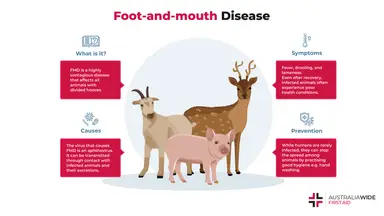
Foot-and-mouth disease (FMD) is a highly contagious animal disease that affects all cloven-hoofed animals. It is often fatal in young animals and can increase their risk of chronic health conditions. While it is very rarely transmitted to humans, it can cause enormous devastation in human populations.
Stroke Rehabilitation and the Road to Recovery
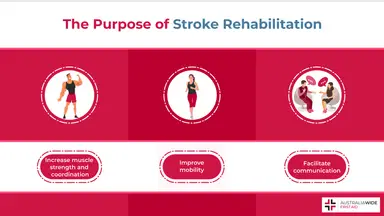
A stroke is a medical emergency in which the blood supply to a part of the brain is suddenly disrupted. Strokes can impair a person's critical thinking, movements, and life functions. However, rehabilitation is available to help stroke survivors regain their livelihoods.
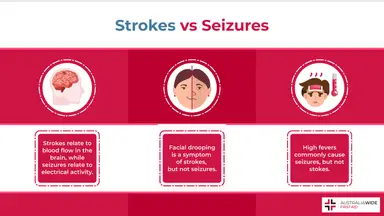
3 Differences between Strokes and Seizures
Both strokes and seizures are neurological episodes in which the brain stops functioning normally. Likewise, they are both characterised by an inability to control thoughts, behaviours, and movements. However, important distinctions exist in their causes, symptoms, and treatments.
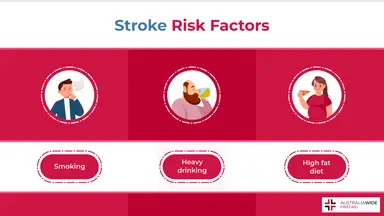
Are You at Risk of a Stroke?
A stroke is a medical emergency in which the blood supply to a part of the brain is suddenly disrupted. Strokes can result in permanent brain damage and ongoing health complications. In this article, we look at how you can reduce your risk of stroke.
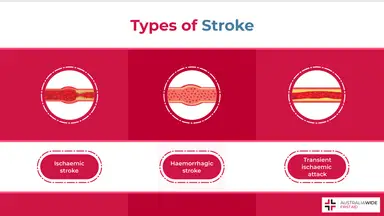
Types of Stroke: Causes, Symptoms, and Treatments
A stroke occurs when the blood flow to a part of the brain is disrupted, either by a blood vessel clot or a blood vessel rupture. It is important to know the different types of stroke, so that you can proactively manage the symptoms and safeguard your health.

National Stroke Week: Celebrating Life's Precious Moments
National Stroke Week is an annual campaign run by the Stroke Foundation, Australia. It aims to raise awareness about understanding and preventing stroke. The focus of this year's National Stroke Week is to spread awareness about the F.A.S.T signs of stroke among friends and family.
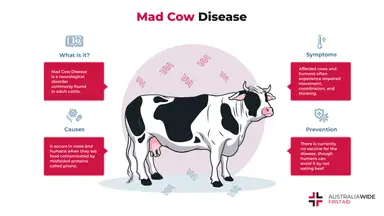
Lifting the Lid on Mad Cow Disease
Mad Cow Disease is a fatal disease commonly found in adult cattle. It is caused by the transmission of prions, misfolded proteins, and degenerates the central nervous system. In humans, it can cause personality changes, impaired thinking, and death.
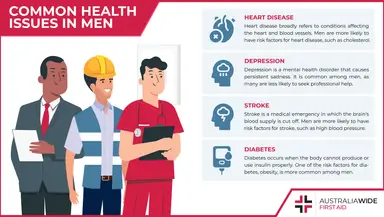
Common Health Issues in Men
Some health conditions present differently in men, compared to women, due to a variety of biological and social factors. As a man, it is important to be wary of these conditions, so that you can take appropriate action to safeguard your wellbeing.
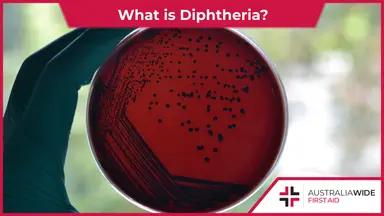
Diphtheria: Symptoms and Causes
Diphtheria is a bacterial infection that causes a thick membrane to develop in an infected person's throat and tonsils. It is important to know the causes, symptoms, and transmission of diphtheria, as it can be fatal if left untreated.
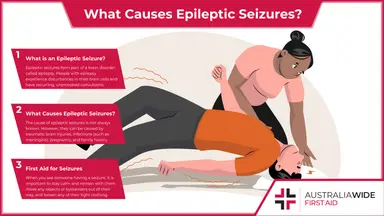
What causes a person to have an epileptic seizure?
Epileptic seizures occur when the brain's activity is disturbed, and they can be caused by brain injuries, infections, and family history, among others. It is important to know first aid for epileptic seizures, as they can cause people to hurt themselves.
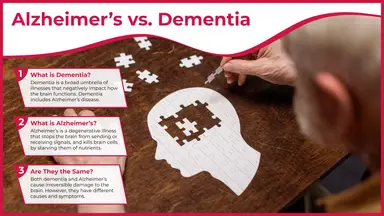
Alzheimer's and Dementia: What's the Difference?
Many people use the terms Alzheimer's and dementia interchangeably. Though these conditions both cause degenerative issues in the brain, they are not the same. It is important to know their differences, so that you can take preventative action.
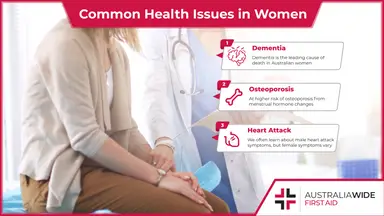
Common Health Issues in Women
Many health conditions present differently in women, compared to men. Some conditions are also unique to women. It is important to understand the symptoms of common health issues in women, so that you can proactively safeguard your wellbeing.
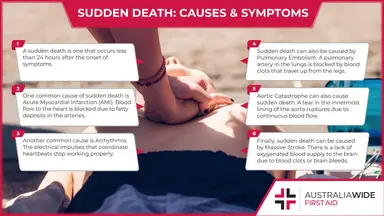
Sudden Death: Causes and Symptoms
A sudden death is one that is unexpected. Most sudden deaths are caused by cardiovascular diseases. It is important to understand these causes, so that you can provide effective first aid treatment, and reduce the casualty's risk of serious complications.
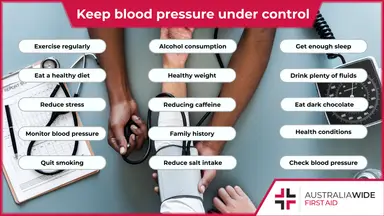
15 Ways to Keep Blood Pressure Under Control without relying on Medication
High blood pressure, also known as hypertension, is a serious condition that can lead to heart attack, stroke, and other health problems. As such, it is important to understand how to manage your blood pressure on a daily basis.
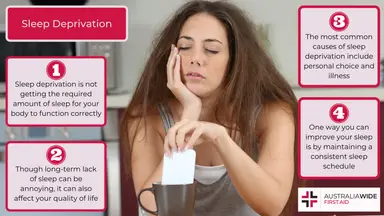
The Dangers of Sleep Deprivation to Your Brain and Body Function
Sleep deprivation is not getting the required amount of sleep for your body to function correctly. Long-term lack of sleep can affect your health and quality of life. As such, it is important to adopt good sleeping habits.
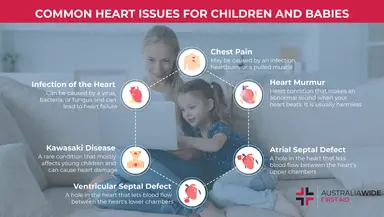
How to Respond to Heart Problems in Children - Tips for Parents
Heart problems are the leading cause of death in Australian children. As such, it is important to understand how to prevent, identify, and manage symptoms of heart problems in children. This will help avoid serious complications.
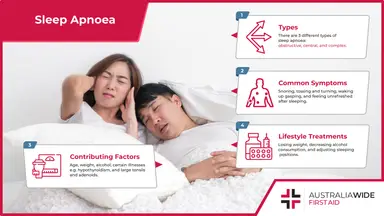
Common Symptoms and Treatments for Sleep Apnoea
Sleep apnoea is a sleep disorder ranging from mild to severe in which breathing repeatedly stops and starts during sleep. Untreated sleep apnoea has a negative impact on your overall physical and mental health. As such, it is important to understand how to prevent, identify, and manage the symptoms of sleep apnoea.
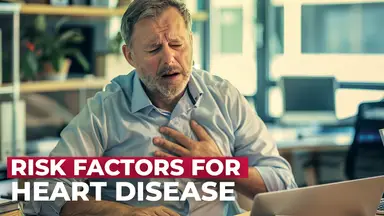
Risk Factors for Heart Disease
The more risk factors you have for coronary heart disease, the greater your chance of developing it. In Australia, 90% of people have at least one risk factor for heart disease.
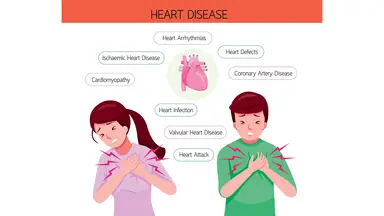
Types of Heart Disease
Heart disease includes dangerous ischaemic conditions, such as <i>atherosclerosis</i>, as well as relatively easy to manage diseases, such as <i>arrhythmias</i>. Aside from congenital conditions, heart diseases can result from lifestyle choices or from drugs used in treating disease or used unadvisedly.
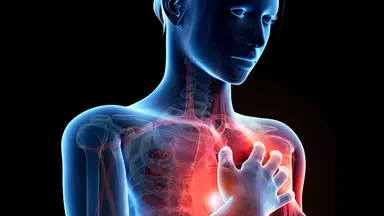
Heart Attack in Women – Signs & Symptoms
The most common symptom for heart attack in women is chest pain (angina) or discomfort. Women are more likely than men to experience other common symptoms, in particular shortness of breath, nausea, vomiting, back pain or jaw pain. If you experience any symptom of heart attack, even when you’re not sure, seek emergency care immediately.
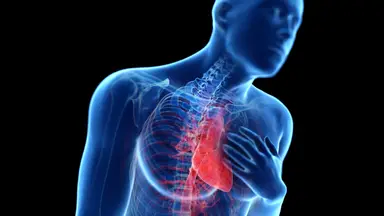
Heart Attack in Men – Signs & Symptoms
Men are more likely than women to have a heart attack, as well as more likely than women to have a heart attack earlier in life. Symptoms can vary from person to person. Do not ignore early symptoms. Even when you’re not sure, seek emergency care right away.

What is Heart Disease?
In Australia, 90% of people have at least one risk factor for heart disease. Many of those risk factors can be controlled or improved. Keeping your heart healthy is the most important thing you can do to help prevent and manage heart disease. This advice applies, no matter your age. It won’t matter if you have more than one risk factor, you can still make changes to help reduce the chances of developing heart problems.
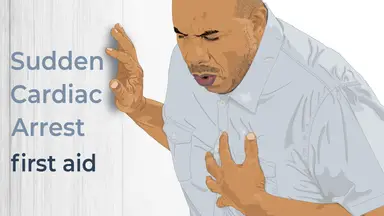
Sudden Cardiac Arrest First Aid
Cardiac arrest is a medical emergency. The chances of survival diminish rapidly and will result in death within 10 minutes. Even if you are not trained in CPR first aid, any attempt at resuscitation is better than no attempt.
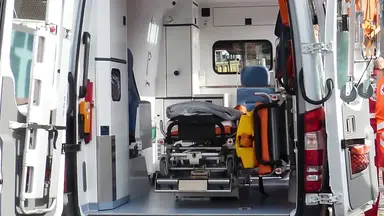
Heart Attack First Aid
Heart attack is a medical emergency. First aid treatment for a heart attack is important to prevent cardiac arrest – where the heart stops beating. Time is of the essence. Waste no time and call 000 for an ambulance.
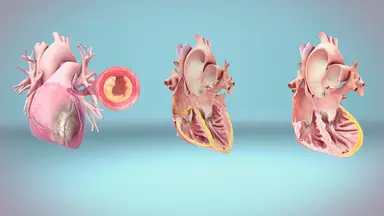
Cardiac Arrest vs Heart Attack
Sudden Cardiac Arrest (SCA) and Heart Attack are both medical emergencies. Both can be fatal. But the two heart problems are entirely different.

Type 1 Diabetes, Type 2 Diabetes – Know the Difference
In Australia, people are diagnosed with Diabetes at a rate of one every 5 minutes. Type 1 accounts for 10% of Diabetes in Australia and is increasing. Type 2 accounts for 85% of Diabetes in Australia and is increasing.

10 Famous Cardiac Arrest Deaths & One Survivor
Many celebrities are reported to have passed away due to cardiac events but there are very few famous cases of survival. This article tells of 10 well-known people who succumbed to sudden cardiac arrest and one very lucky survivor.
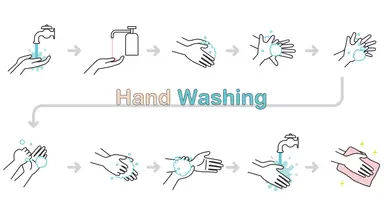
Infection Control: Hand Washing
Hand washing is like a do-it-yourself vaccine for a range of illnesses, including seasonal viruses like the flu and common cold. However, not many people understand handwashing basics, which could open them up to infection.
Ready to put it into practice?
Nationally accredited first aid courses with same-day certificates.