
Resource Library
First Aid Resources & Articles
Practical first aid guidance from our trainers — free to read, updated regularly.
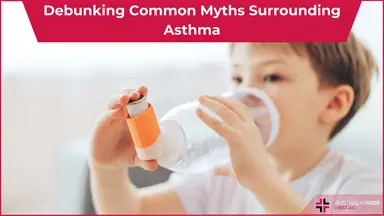
Debunking Common Myths Surrounding Asthma
Asthma, a chronic respiratory condition affecting millions worldwide, is often shrouded in myths and misconceptions. Despite how common it is, there is a distinct lack of common knowledge. This is leading to potential mismanagement and unnecessary anxiety for those living with asthma.
Coping with Dust Allergies
For many Australians, our city and outdoor lifestyles come with a hidden challenge – dust allergies. Dust mites, pollen, and other airborne particles can trigger allergic reactions, affecting a significant portion of the population.
Say Goodbye to Pollen Allergies
If you suffer from pollen allergies, you know how miserable it can make you feel. Pollen allergies are caused by an overreaction of the body's immune system to the proteins found in the pollen of plants. Fortunately, there are a variety of treatments to manage pollen allergies, including medications, immunotherapy, and first aid.
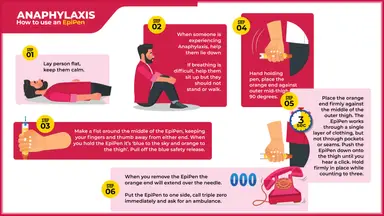
The Comprehensive Guide for EpiPens
The EpiPen is an essential medical device used to treat severe allergic reactions and anaphylaxis. It delivers a fixed dose of adrenaline via intramuscular injection into the leg muscle, which helps combat anaphylactic symptoms such as low blood pressure and breathing difficulties. Adrenaline is a natural hormone that is produced by the body in response to an allergic reaction. Administering an EpiPen can reduce the risk of hospitalization and death if done early enough. It is important to know how to use an EpiPen correctly, as it can be administered by anyone, including those without medical training or self-administered. If you or someone you know is at risk of severe allergic reactions or anaphylaxis, it is essential to have an EpiPen on hand and to know how to use it in an emergency.
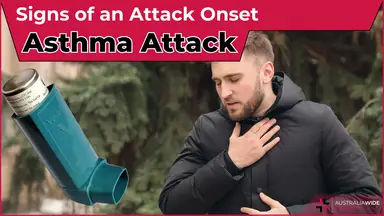
Signs of an Asthma Attack Onset
Knowing the signs and symptoms of mild, moderate, and severe asthma attacks can help avoid an asthma emergency.
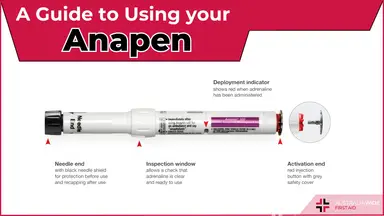
Anaphylaxis and Anapen: A Guide to Using Your Auto-Injector for Allergy Emergencies
Anapen is an alternative treatment option to the Epipen. Although the two auto-injectors look similar, they have vastly different administration techniques. For this reason, it is important to know how to administer the new Anapen to prevent incorrectly administering the life-saving treatment. This guide will provide you with a comprehensive overview of the Anapen and how to administer it, as well as anaphylaxis first aid for Allergy Emergencies.
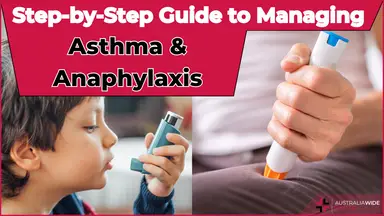
Be Prepared: Step-by-Step Guide to Managing Asthma and Anaphylaxis
Asthma and anaphylaxis are serious medical conditions that can be life threatening if not managed properly. This article provides a step-by-step guide to recognizing the signs and symptoms of asthma and anaphylaxis, emergency first aid for asthma and anaphylaxis, preventing and managing asthma and anaphylaxis, and the importance of taking a first aid course for asthma and anaphylaxis management.
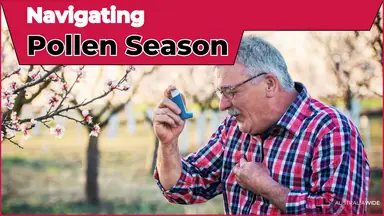
Surviving Pollen Season in Australia
Australians are no strangers to asthma. With the ever-present pollen season, sufferers must take extra precautions to protect their health. Understanding asthma and the effects of pollen season in Australia can help sufferers better manage their condition. First aid tips, maintaining good health, and taking a first aid course can help save lives during asthma attacks. This article will delve into the specifics of battling asthma in Australia during pollen season.
Natural Remedies for Hay Fever
Hay fever occurs when the immune system overreacts to a harmless environmental allergen. Chronic hay fever symptoms can lead to a reduced quality of life. Luckily, there are several natural remedies for the treatment of hay fever.
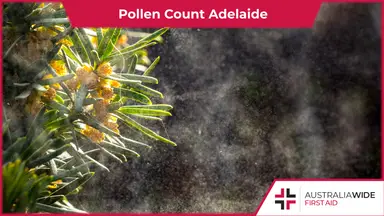
Why Pollen Count Adelaide is Important
Pollen counts like the Adelaide Pollen Count forecast the level of pollen in the air. Pollen can trigger symptoms of asthma, a chronic condition in which the airways narrow and make breathing difficult.

Common Causes of Allergies
Most people are familiar with common food allergies, such as cow's milk, tree nuts, and shellfish. However, there are many non-food substances that can also cause allergy symptoms. It is important to recognise common non-food allergens, as they can sometimes cause severe allergy symptoms.
Food Allergy Week
This week we celebrate Food Allergy Week, an initiative by Allergy & Anaphylaxis Australia (A&AA) to raise awareness about, and rally support for, people living with food allergies.
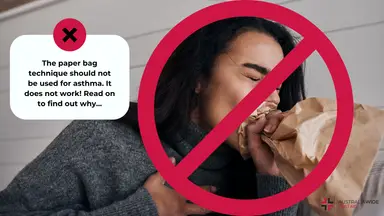
The 'Paper Bag' Technique Won't Work for Asthma: Here's Why
The paper bag technique is known for a being one way to deal with panic attacks. It’s possible for a person to believe they are having a panic attack when they are actually experiencing an asthma attack, or a diabetic or cardiac problem. What would happen if they resort to paper bag technique?
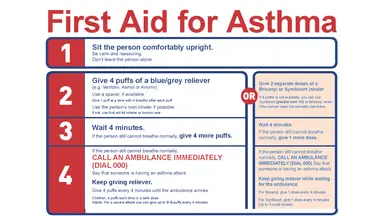
Asthma Triggers and Asthma Plans
An Asthma Plan identifies the plan owner's triggers and recommends appropriate actions to take should an asthma attack follow. Some, but not all, triggers can be managed. For these unmanageable asthma triggers, an Asthma Plan can be a life saver.
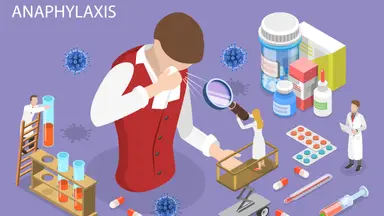
First Aid Training to Manage Anaphylaxis
Anaphylaxis is a severe allergic reaction that can be life-threatening. As such, it is vital that people living with the risk of anaphylaxis know how to prevent, identify, and treat severe allergy symptoms.
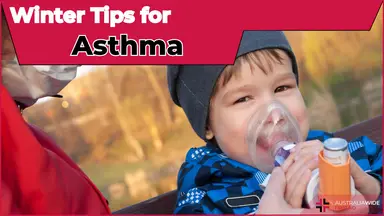
Winter First Aid Tips for Asthma Sufferers
Winter is also the season for the flu, as well as colds and other infections of the respiratory system, which are known to exacerbate the symptoms experienced by asthmatics.

Asthma and Bushfire Smoke
Bushfires release harmful gases, including carbon monoxide, nitrogen oxide, carbon dioxide and a range of organic compounds. This affects the air quality, irritating sensitive airways and triggers asthma. Children, the elderly, smokers, and people with existing heart and lung conditions, including asthma, are usually the first to feel the effects of bushfire smoke and particle pollution.

Guide to Dealing with Hay Fever in Australia
Hay fever is nothing to sneeze at, since untreated symptoms could lead to more serious health complications such as asthma or a severe allergic reaction.
Excellence in Asthma & Allergy Reporting Awards
Australia Wide First Aid has been recognised by the National Asthma Council Australia for their achievement and excellence in the 2014 Excellence in Asthma and Allergy Reporting Awards
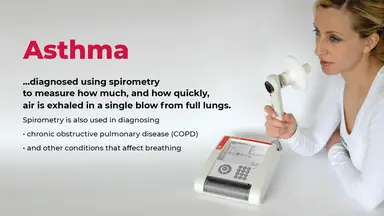
Asthma Action Plan
Asthma is one of the world's most pervasive chronic diseases. Australia has one of the highest prevalence rates in the world – more than two million asthmatics.
World Allergy Week
World Allergy Week highlights the severity of Anaphylaxis. Anaphylaxis is an acute, potentially life threatening hypersensitivity reaction. It is important to know first aid for anaphylaxis, as the reaction develops rapidly.
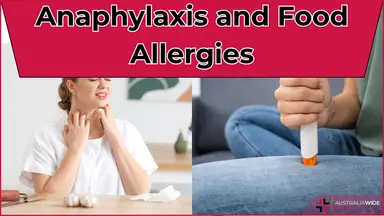
Anaphylaxis and Food Allergies
Australia has one of the highest incidences of food allergy in the world. Allergic reactions to food can range from mild to life threatening. As such, it is important to know how to prevent, identify, and treat allergy symptoms.
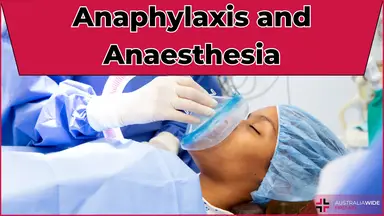
Anaphylaxis and Anesthesia
Severe allergies to anesthesia are a serious problem because it may be difficult for your anaesthesiologist to observe some of the usual early symptoms associated with anaphylaxis. Symptoms that may be difficult to detect include light headedness and shortness of breath.

Anaphylaxis and Adrenaline
The first line of treatment for an anaphylactic reaction is the injection of adrenaline using an epinephrine auto-injector, such as an EpiPen or AnaPen.

Asthma and Smoking
Smoking ranks second as a major cause of premature death and illness in Australia, after obesity. As well as having adverse health effects on people in general, smoking worsens asthma and reduces the effectiveness of medications.

Anaphylaxis and Hypotension
Hypotension refers to low blood pressure. It can be a severe and life-threatening condition, as low blood pressure can starve vital organs of oxygen and nutrients. One cause of hypotension is anaphylaxis.
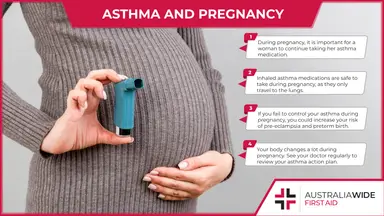
Asthma and Pregnancy
During pregnancy, it is important for women to continue taking their asthma medication. Though some women feel uneasy about continuing their asthma medication during pregnancy, asthma attacks can put unborn babies at risk.
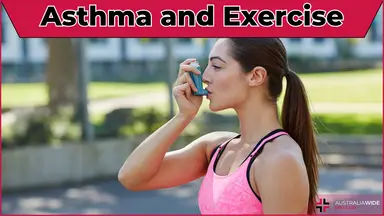
Asthma and Exercise
Though exercise is an important factor in staying fit and healthy, it can be a trigger for asthma. In saying that, with careful management and control, people with asthma can continue to enjoy their usual activities.
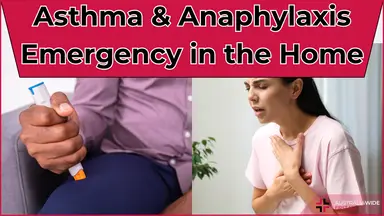
Asthma & Anaphylaxis Emergency in the Home
In an asthma or anaphylaxis emergency you should know the symptoms, remove triggers, and know how to respond. Read on to understand these important aspects in the context of such an emergency.
Asthma in Adults: Have you developed Asthma?
Asthma can develop when you are middle-aged or older, and is known as ‘adult onset asthma’. But, not having experienced the condition, it can be difficult to know if you've developed adult onset asthma. Get to know the signs and symptoms.

Anaphylaxis Triggers: How to Avoid Them
Anaphylaxis can quickly become life threatening. It is therefore important to know your triggers so you can effectively avoid them.

What is Anaphylaxis?
Anaphylaxis, or anaphylactic shock, is a severe allergic reaction that can quickly become life threatening if not treated immediately. It can affect the skin, as well as the respiratory, gastrointestinal and cardiovascular systems.
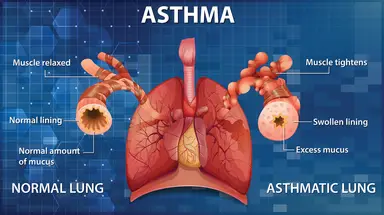
What is Asthma?
Asthma affects 235 million people worldwide. It's a chronic condition of the airways – the small tubes that carry air in and out of our lungs. Asthma causes these small tubes to become blocked, tightened or swollen, making it difficult to breathe.
Ready to put it into practice?
Nationally accredited first aid courses with same-day certificates.