
Resource Library
First Aid Resources & Articles
Practical first aid guidance from our trainers — free to read, updated regularly.
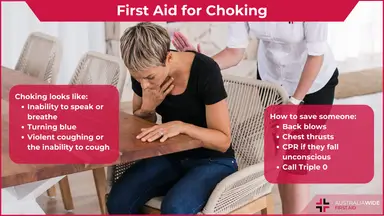
Saving Lives: First Aid for Choking
Choking occurs when an object or a piece of food becomes lodged in the throat, blocking the airway. The adult or child will have difficulty breathing, and may lose consciousness. Quick and effective action is essential to prevent severe consequences and death.
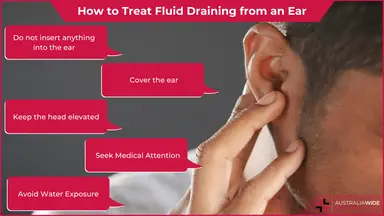
How to Treat Fluid Draining from an Ear
Knowing how to provide first aid for fluid draining from an ear is crucial to alleviate discomfort and potentially prevent complications.
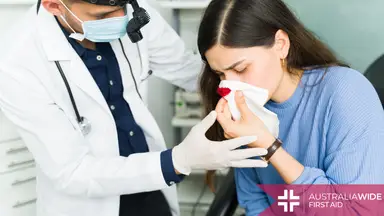
First Aid for Nose Bleeds
This article covers treatment/first aid for nose bleeds, and also covers all of the common misconceptions and myths about treating a bleeding nose.
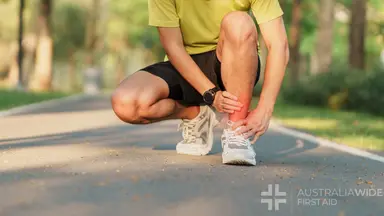
Effective Ways for Relieving Shin Splints and Getting Back on Track with Your Exercise Routine
Learn about Shin Splints Diagnosis and Treatment and Preventative Tips for this common injury that affects runners and athletes. Discover how to relieve pain and discomfort in the lower leg and prevent future episodes. Consult a healthcare professional for proper diagnosis and treatment options.
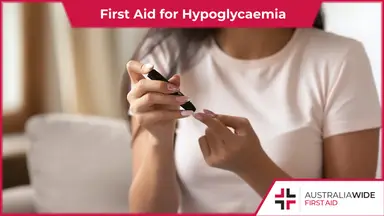
First Aid for Hypoglycaemia
Hypoglycaemia or low blood sugar, is a dramatic imbalance where the tissues, especially the brain cells, become starved of essential blood sugar. This can lead to the casualty becoming unconscious and death may follow within hours.
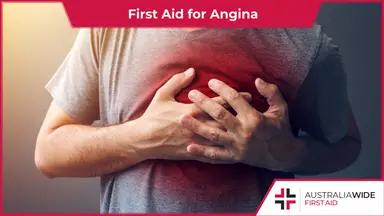
First Aid for Angina
Angina is a tightness, pressure or discomfort in the chest caused by a lack of blood and oxygen to the heart muscle. Angina does not damage the heart muscle, but can be a warning sign for heart attack.

First Aid for Dusky Flathead Sting
The Dusky Flathead is the largest flathead species in Australia. It is common in rocky reefs and shallow muddy areas along the Australian east coast. They have venomous spines along their body that can cause severe pain and possible infection.
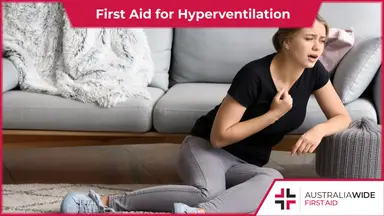
First Aid for Hyperventilation
Hyperventilation is an emotional response to stress, anxiety or fear that quickens breathing. Hyperventilation depletes the carbon dioxide in the body and reduces the supply of oxygen to vital organs and can lead to blurred vision, hand and finger spasms, and even collapse.
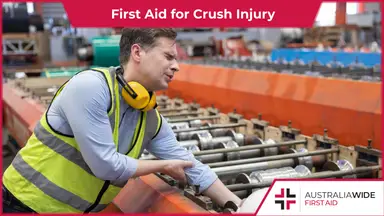
First Aid for Crush Injury
A crush injury can result from any object that exerts applied and continual force on the body. Without immediate first aid and medical attention, a crush injury can lead to heart, lung, and kidney failure.
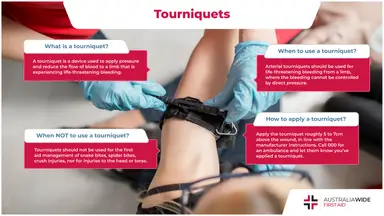
First Aid How-To: Tourniquets
A tourniquet is a device used to apply pressure and reduce the flow of blood to a limb that is experiencing life-threatening bleeding. When applied correctly, tourniquets can increase the rate of survival to 90%.
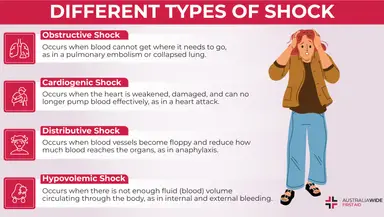
First Aid for Shock
Shock is a medical emergency that occurs when there is not enough blood circulating through the body due to an illness or injury, such as anaphylaxis or external bleeding. Shock is a deteriorating condition that does not allow the casualty to recover without medical intervention.
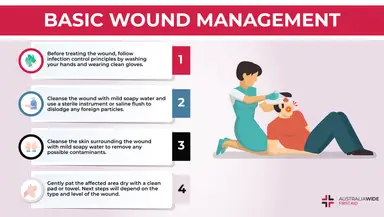
How to Care for Open Wounds
An open wound refers to an injury in which the skin is broken and the tissue beneath is exposed. In most cases of an open wound, the same basic wound management can be followed. However, there may be some differences depending on the type of open wound.
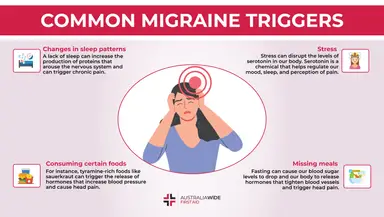
First Aid for Migraines
A migraine is a neurological disorder typically characterised by throbbing pain on one side of the head. Migraines are common among Australians and can be triggered by stressful situations and poor sleeping habits. Continue reading to learn how to reduce your risk.
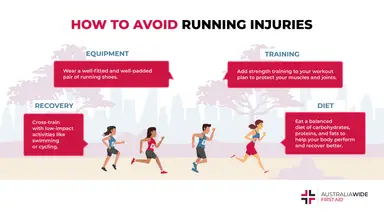
First Aid for Running Injuries
Running is fast emerging as one of the most popular physical activities in Australia, and for good reason. Running can help strengthen your bones, muscles, and heart health. However, injuries regularly befall runners, including stress fractures, shin splints, and tendinopathy.
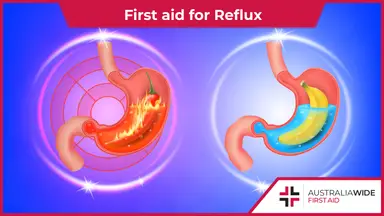
First Aid for Reflux (Heartburn)
Acid reflux is a condition in which stomach acid rises into the oesophagus. It occurs when the oesophageal sphincter does not tighten properly, such as when we eat too much food. Though acid reflux is usually not a cause for concern, it can lead to oesophageal scarring if left untreated.
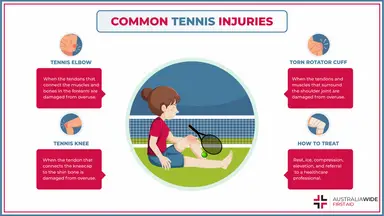
First Aid for Tennis
Tennis is a racquet sport that is popular among Australians of all ages, and for good reason. Tennis can help people improve their strength, flexibility, and aerobic capacity. However, tennis players are prone to a wide variety of soft tissue injuries.
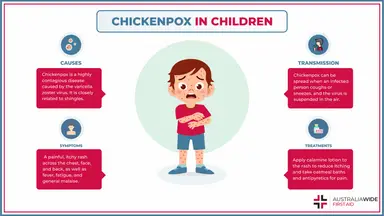
Chickenpox in Children First Aid
Chickenpox is a viral infection that most commonly affects children. Its most recognisable feature is a raised, red rash, though it can also progress into more severe symptoms like pneumonia. As such, it is important to know how to reduce the risk of infection.
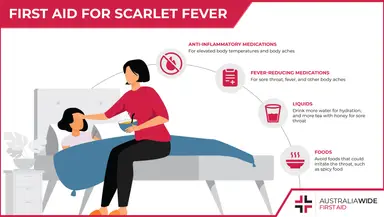
First Aid for Scarlet Fever: Prevention, Recognition, and Treatment
Scarlet fever is a bacterial infection characterised by a red rash on the face, underarms, and groin. Scarlet fever can transmit easily among children. As such, it is important to know how to identify and manage scarlet fever, as it can cause more severe symptoms like vomiting.
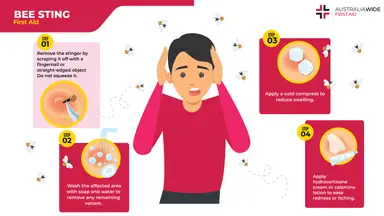
First Aid for Bee Stings
Bees are a type of winged insect that are distributed across every continent except for Antarctica. Bees typically sting humans when they feel threatened or confused. Their venom triggers pain receptors and can cause severe allergic reactions in some people.
How to Identify and Treat Alcohol Poisoning
Alcohol poisoning occurs when a person drinks a large amount of alcohol, forcing their blood alcohol concentration to toxic levels. It is important to know first aid for alcohol poisoning, as it can result in unconsciousness and even death.
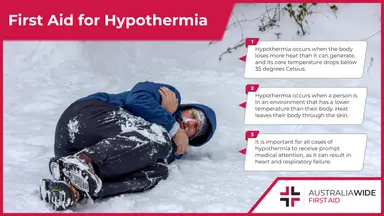
Hypothermia First Aid
Hypothermia occurs when a person is in a cold environment that has a lower temperature than their body. It is important to know first aid for hypothermia, as it can result in death.
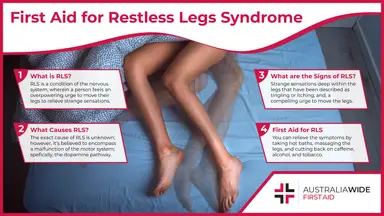
First Aid for Restless Legs Syndrome
Restless Legs Syndrome (RLS) is a nervous system disorder. People living with RLS experience strange sensations in their legs, and an uncontrollable urge to move their legs. It is important to know first aid for RLS, as it can lead to sleep deprivation.
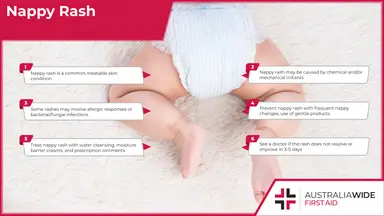
Nappy Rash First Aid
Nappy rash is a form of dermatitis that occurs when the skin is exposed to moisture for prolonged periods of time. Nappy rash can be very uncomfortable for children and even cause infection. As such, it is important to know first aid for nappy rash.
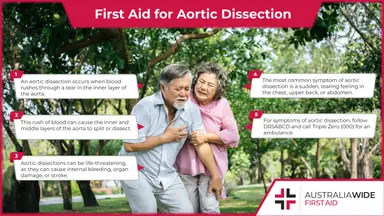
Aortic Dissection First Aid
An aortic dissection occurs when blood rushes through a tear in the inner layer of the aorta. This can cause the inner layer to split from the middle layer, and result in aortic rupture. As such, it is important to know first aid for aortic dissection.
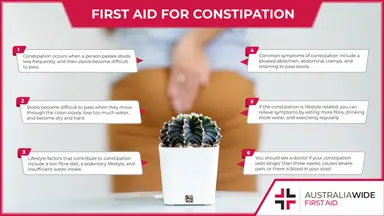
First Aid for Constipation
Constipation occurs when a person passes stools less frequently, and their stools become difficult to pass. It is important to know first aid for constipation, as chronic constipation can either lead to, or be a symptom of, ongoing health complications.
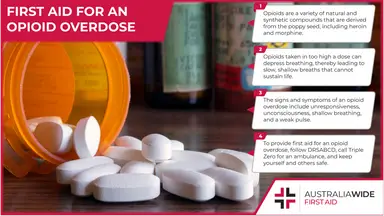
First Aid for Opioid Overdose
Opioids are a group of natural and synthetic compounds that have sedative and analgesic effects. They can often lead to dependence. It is important to know first aid for opioid overdoses, as casualties can stop breathing in a matter of minutes.
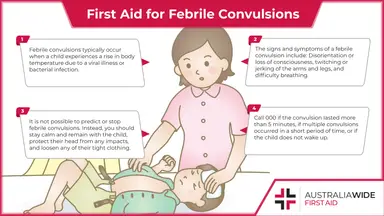
First Aid for Febrile Convulsions
A febrile convulsion is a fit or seizure that can occur when a child experiences a fever. It is important to know first aid for febrile convulsions, so that you can reduce your child’s discomfort.
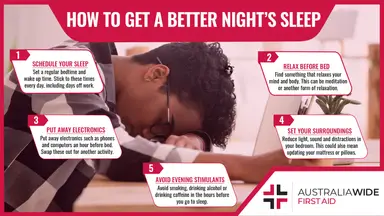
5 Tips for Better Sleep and Building Healthy Sleeping Habits
Many people are deprived of good quality sleep. This is concerning, as sleep is essential to our physical and mental wellbeing. Improving the quality of your sleep is as simply as changing a few lifestyle habits.
First aid for heat stroke/sun stroke
Heat stroke is usually a result of working or exercising in a hot environment. Core body temperature can rise to dangerously high levels within 10–15 minutes. Left untreated, heat stroke can damage the brain, heart, kidneys and muscles.
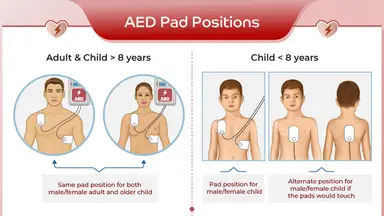
AED First Aid
When a heart stops beating, emergency action using an AED — Automated External Defibrillator — saves lives. Timely use of an AED improves the chances of surviving sudden cardiac arrest by an astounding 600% over the odds of surviving without this intervention.

Suicide Attempt First Aid
Let the person know you care about their welfare. Ask if they are thinking of taking their own life in a gentle manner that invites discussion about it. There is plenty of evidence to show that, in most cases, people contemplating suicide don’t really want to die. Helping them to open up and be heard is important.
Ready to put it into practice?
Nationally accredited first aid courses with same-day certificates.