
Resource Library
First Aid Resources & Articles
Practical first aid guidance from our trainers — free to read, updated regularly.
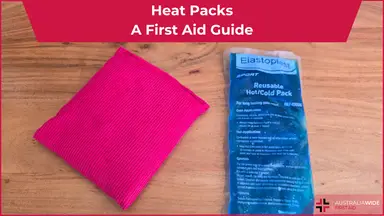
How and When to Use a Heat Pack
Heat packs are a valuable tool in first aid for treating a variety of conditions, particularly those involving chronic pain, muscle tension, and joint stiffness. Proper use of heat therapy can enhance recovery and provide significant pain relief. This guide outlines how and when to use a heat pack effectively.
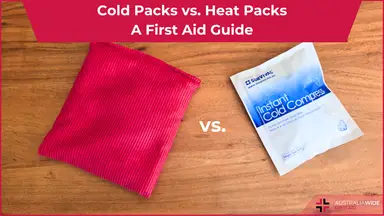
Cold Packs vs. Heat Packs: A First Aid Guide
In the realm of first aid, the use of cold packs and heat packs is fundamental for managing a variety of injuries and conditions. Knowing when to apply each can significantly impact the effectiveness of the treatment and the speed of recovery.
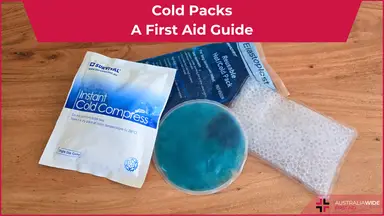
How and When to Use a Cold Pack
Cold packs are a fundamental tool in first aid for managing a variety of injuries and conditions. Their proper use can significantly reduce pain, swelling, and promote faster recovery.
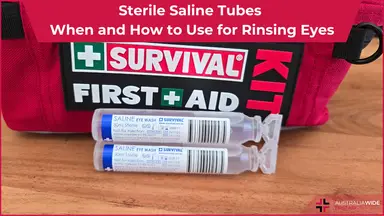
Sterile Saline Tubes: Why and How to Use for Rinsing Eyes
Accidents and injuries involving the eyes can be alarming and require immediate attention to prevent further damage. Sterile saline tubes are a critical component in first aid for eye care, providing a safe and effective way to rinse out irritants, debris, or chemicals. Here’s an essential guide on when and how to use sterile saline tubes for rinsing eyes.
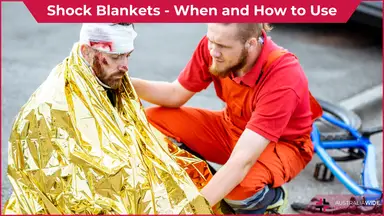
Shock Blankets - When and How to Use
In the realm of first aid, every second counts. When faced with emergencies ranging from severe injuries to sudden trauma, providing immediate care can significantly impact outcomes. Among the arsenal of tools available to first responders and caregivers, shock blankets stand out as a simple yet invaluable resource.
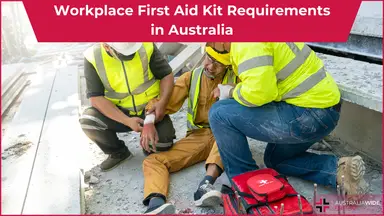
Workplace First Aid Kit Requirements in Australia
In workplaces across Australia, ensuring the safety and well-being of employees is paramount. One critical aspect of maintaining a safe work environment is having a properly stocked first aid kit readily available.
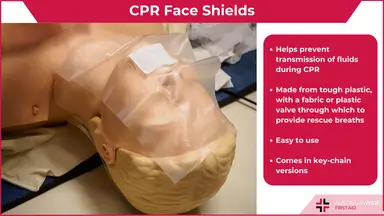
How to Use Disposable Face Shields
A face shield, or CPR face mask, is essentially a plastic sheet with a fabric section containing a non-return valve. It is of a size to place over the face of a person in need of resuscitation and can help protect the rescuer from any fluids that may be present in and around the mouth of the casualty.
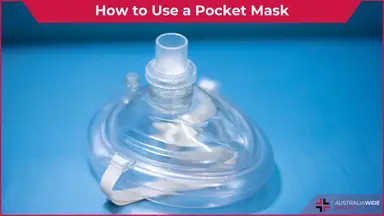
How to Use a Pocket Mask
CPR involves mouth-to-mouth contact, which can put both the caregiver and the patient at risk of exposure to body fluids. This is where personal protective equipment (PPE) comes in, and one of the most important PPE items is a resuscitation mask.

Going Camping? Make Sure These Are in Your First Aid Kit
Camping in Australia offers the opportunity to explore our diverse landscapes, from pristine beaches to rugged mountains and dense forests. While immersing yourself in the great outdoors, it's crucial to be prepared for unexpected disasters. From simple scratches and insect bites, all the way to life-threatening emergencies, it pays to be prepared.
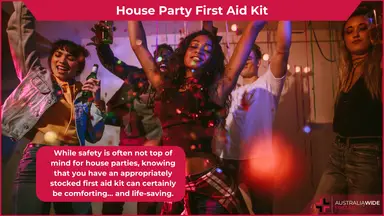
House Party First Aid Kit
Party season is upon us, especially for those with teens who are shortly finishing school. While safety is often not top of mind for house parties, knowing that you have an appropriately stocked first aid kit can certainly be comforting.
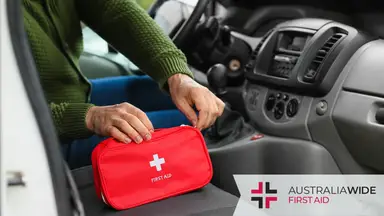
Essential Supplies for Every First Aid Kit: What You Need to Keep On Hand!
Having essential first aid items on hand is critical for any emergency situation. Good health and a well-stocked first aid kit are essential for a prompt response. Strategies for building a comprehensive first aid kit, and the benefits of taking a first aid course, will help you be prepared for any emergency. This article will discuss the essential supplies for every first aid kit and what you need to keep on hand.
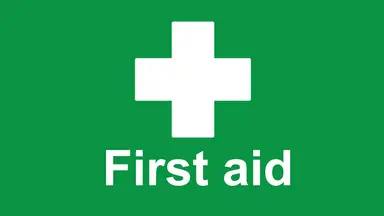
What is the Meaning of the First Aid Kit Sign?
The first aid kit sign is a universal sign that signals the direction or location of first aid or safety equipment and other emergency related facilities. Knowing the first aid kit sign could keep you safe while travelling abroad.
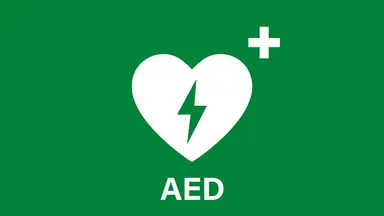
Top Reasons You Need AED Training
The abbreviation for "automated external defibrillator" (AED) is "AED." Because it is automated, it will perform all of the laborious tasks for you.

Universal Signs for First Aid
First aid is a priority where medical intervention is needed — no matter the location. Signage the world over has been designed so you can recognise and understand it, regardless of the language spoken.
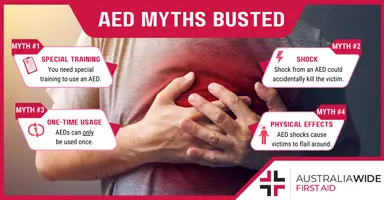
AED Myth Busters
Without intervention, a victim of cardiac arrest can be brain-dead within 4 to 6 minutes and dead in 10 minutes. Intervention with an AED has improved the odds of survival by an astounding 600 per cent.
Defibrillator (AED) for your home
Cardiac arrest is catastrophic loss of heart function. If someone in your home suffered a cardiac arrest, would you know what to do? This is why it makes sense to have an AED (Automated External Defibrillator) in your home.
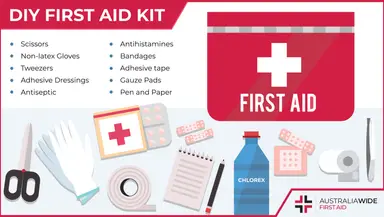
DIY First Aid Kit
You don't have to be a tertiary educated medical professional to assist yourself, or others, in an emergency. Provided you have the required first aid skills and tools, including a fully stocked first aid kit, you could one day administer life-saving care.
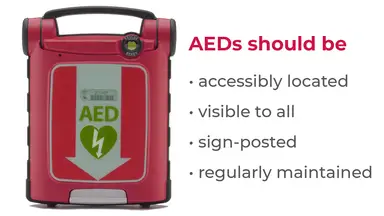
How to find a defibrillator
An AED can improve the chance of survival for a sudden cardiac arrest victim by as much as 90%. Without a defibrillator, the odds of survival drop 10% for every minute that passes.
Asthma Buddy App for Android & iPhone
The National Asthma Council Australia developed the Asthma Buddy app which quickly proved popular with the whole asthma community — from people with asthma and their families, to the doctors and nurses treating asthma.
Ready to put it into practice?
Nationally accredited first aid courses with same-day certificates.