
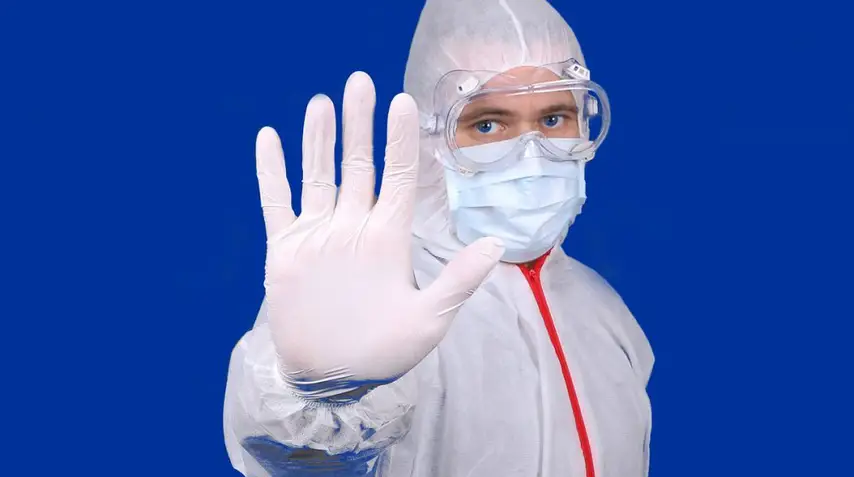
Standard precautions are infection control practices recommended by healthcare organisations to prevent the spread of infectious diseases in healthcare settings and during first aid interventions. They assume that all blood, body fluids, secretions, excretions (except sweat), non-intact skin, and mucous membranes may contain infectious agents. Standard precautions are essential for protecting both responders and casualties from exposure to pathogens.
Key components of standard precautions include hand hygiene using soap and water or alcohol-based hand rubs, wearing personal protective equipment (PPE) such as gloves, masks, and gowns, and safely disposing of sharps and contaminated materials. Additional measures include cleaning and disinfecting equipment and surfaces regularly and implementing strategies to minimise aerosolization of infectious particles during procedures.
Components of Standard Precautions
- Hand Hygiene: Regular washing and sanitizing of hands.
- PPE: Use of gloves, masks, gowns, and eye protection.
- Safe Handling: Proper disposal of sharps and contaminated materials.
- Environmental Cleaning: Regular cleaning and disinfection of surfaces and equipment.
Basic infection control measures to prevent the spread of diseases.